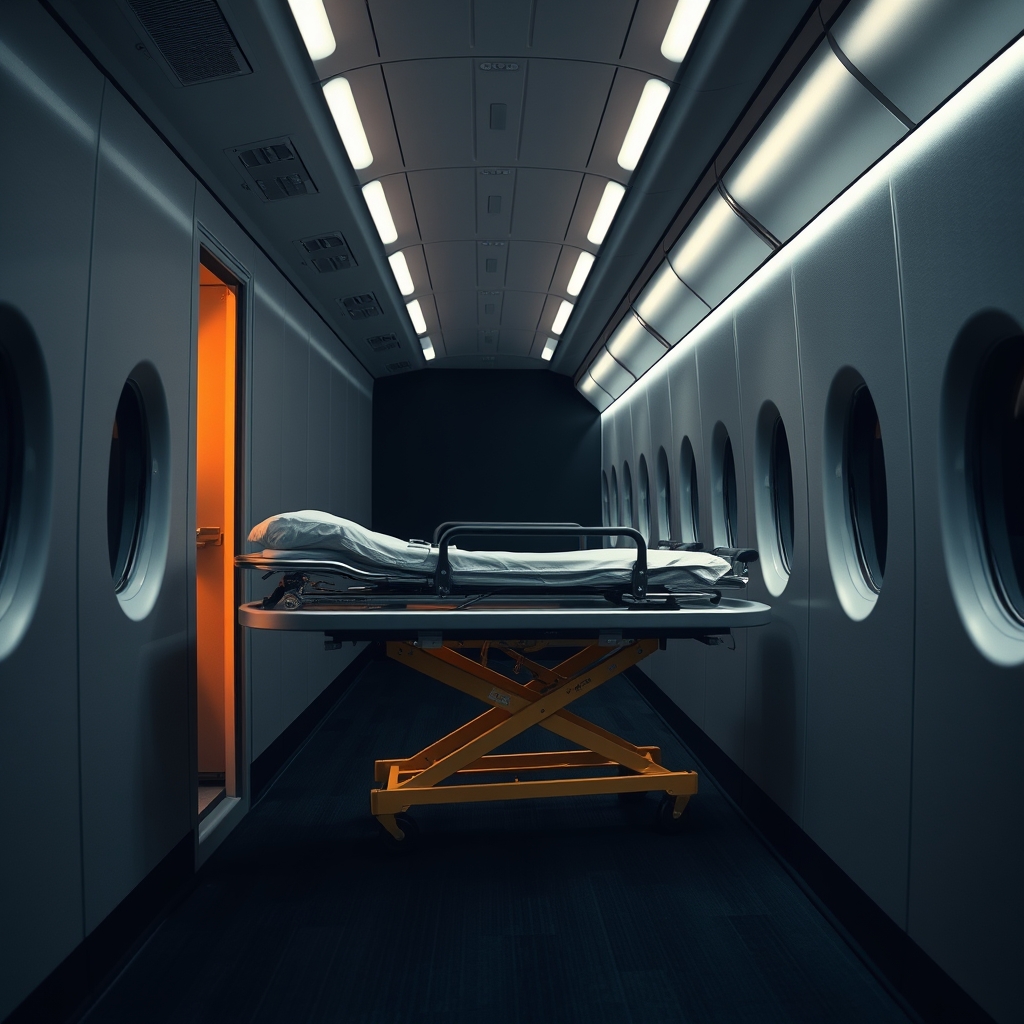
Understanding the Commercial Airline Stretcher: A Lifeline for Medical Travel
When a patient requires medical transport across long distances, the emerges as a vital solution that combines the affordability of scheduled flights with the specialized care of medical aviation. This service allows individuals with limited mobility or serious health conditions to travel safely while lying flat during the journey. Unlike traditional air ambulance options, which can be prohibitively expensive, commercial airline stretcher services offer a cost-effective alternative without compromising on medical supervision and comfort. For families seeking reliable transport for their loved ones, understanding how these stretchers are integrated into commercial aircraft is essential.
Learn more about airline stretcher Canada and how it applies to your specific needs.
Medical travel can be stressful, especially when a patient cannot sit upright for extended periods. A commercial airline stretcher is essentially a portable bed that is secured to the floor of an aircraft, often in a dedicated section of the cabin. The setup ensures that the patient remains stable during takeoff, turbulence, and landing. Airlines typically require advance booking and coordination with specialized medical transport companies to arrange the necessary space and equipment. This service is particularly popular in regions like Canada, where vast distances make air travel the most practical option for reaching specialized healthcare facilities.
How Commercial Airline Stretcher Services Work
The process of arranging a commercial airline stretcher involves multiple steps to ensure patient safety and regulatory compliance. First, a medical assessment is conducted to determine if the patient is stable enough for commercial flight. Then, the airline is contacted to reserve a block of seats—usually three to six seats—where the stretcher can be installed. The stretcher itself is designed to meet aviation safety standards, with secure straps and padding to prevent movement during flight. Medical escorts, often nurses or paramedics, accompany the patient to monitor vital signs and administer medication if needed.
For those seeking services, companies like Jet Companion specialize in coordinating these complex logistics. They handle everything from booking the stretcher space to arranging ground ambulance transfers at both departure and arrival airports. This end-to-end support is crucial for families who may not have the expertise to navigate airline policies on their own. The cost is significantly lower than an air ambulance, making it accessible to more patients who need long-distance medical transport.
Key Benefits of Using a Commercial Airline Stretcher
One of the primary advantages of a commercial airline stretcher is the ability to travel on regularly scheduled flights. This means patients can choose from multiple departure times and routes, offering flexibility that private medical jets cannot always match. Additionally, commercial airlines have extensive networks, allowing for connections to smaller cities that may not have air ambulance services. The stretcher setup also allows family members to sit nearby, providing emotional support during the journey.
Another significant benefit is the cost savings. While an air ambulance can cost tens of thousands of dollars, a commercial airline stretcher service typically ranges from a few thousand to around $10,000, depending on the distance and medical requirements. This makes it a viable option for patients who need to travel for treatment but have limited insurance coverage or personal funds. For residents of Alberta, services like are particularly valuable, as they enable patients to access medical centers in Edmonton, Calgary, or even across the country without the financial burden of a dedicated air ambulance.
Medical Considerations and Patient Eligibility
Learn more about commercial airline stretcher alberta and how it applies to your specific needs.
Not all patients are suitable for commercial airline stretcher transport. The patient must be medically stable and able to tolerate the cabin environment, including changes in air pressure and limited humidity. Common conditions that qualify include post-surgical recovery, spinal injuries requiring immobilization, advanced cancer patients, and individuals with respiratory issues who need supplemental oxygen. A thorough medical clearance from a physician is mandatory, and the attending medical escort will carry all necessary documentation and medications.
Learn more about stretcher patient transport and how it applies to your specific needs.
The stretcher itself is equipped with features to enhance patient comfort. These include a padded mattress, adjustable headrest, and side rails for safety. Some advanced stretchers also have built-in oxygen tanks and monitoring equipment. The medical escort is trained to handle emergencies such as sudden changes in the patient’s condition or equipment malfunctions. For those requiring , it is reassuring to know that the service is regulated by aviation authorities and adheres to strict safety protocols.
Comparing Commercial Airline Stretcher with Air Ambulance
When deciding between a commercial airline stretcher and an air ambulance, several factors come into play. Air ambulances are typically faster to arrange and can operate from smaller airports closer to the patient’s location. They also provide a higher level of critical care, with advanced life support equipment and a full medical team on board. However, the cost is substantially higher—often $15,000 to $50,000 or more for a single flight. For patients who do not require intensive care during transit, the commercial airline stretcher offers a practical middle ground.
In regions like Alberta, where both options are available, services are often used for emergency situations, while commercial stretchers are preferred for planned transfers. For example, a patient recovering from a hip replacement who needs to return home from a distant hospital can benefit from the lower cost and comfort of a commercial flight. The key is to assess the patient’s medical needs, urgency, and budget to make the best choice.
Logistics and Coordination: What Families Need to Know
Arranging a commercial airline stretcher requires careful planning. Families should start the process at least one to two weeks before the intended travel date, as airlines have limited stretcher capacity and require advance notice. The medical transport company will coordinate with the airline to secure the necessary seats and ensure the stretcher fits within the cabin dimensions. On the day of travel, the patient is transported to the airport via ground ambulance or wheelchair service, then boarded before other passengers to allow for stretcher installation.
Learn more about air ambulance alberta and how it applies to your specific needs.
During the flight, the patient is attended by a medical escort who stays within arm’s reach. The escort monitors vital signs, administers medications, and assists with basic needs such as eating or using a bedpan. After landing, the patient is disembarked first and transferred to a waiting ground ambulance for the final leg of the journey. This seamless process minimizes stress for both the patient and their family. For those searching for reliable providers, Jet Companion offers comprehensive services that include all these logistics, ensuring a smooth experience from start to finish.
FAQs
What is a commercial airline stretcher?
A commercial airline stretcher is a portable bed installed on a scheduled commercial flight to allow a patient to travel lying down. It is used for individuals who cannot sit upright due to medical conditions, injuries, or post-surgical recovery. The stretcher is secured to the aircraft floor and attended by a medical escort throughout the flight.
How much does a commercial airline stretcher cost?
The cost varies depending on the distance, airline, and medical requirements. On average, it ranges from $3,000 to $10,000, which is significantly less than an air ambulance. The price typically includes stretcher setup, medical escort, and coordination services. It is advisable to get a quote from a specialized provider like Jet Companion for an accurate estimate.
Can family members travel with the patient?
Yes, family members can usually travel on the same flight and sit in seats near the stretcher area. Some airlines allow one or two companions to accompany the patient. The medical transport company can assist with booking adjacent seats to ensure the family stays close during the journey.
Is a commercial airline stretcher safe for long flights?
Yes, it is safe for long-haul flights when properly arranged. The stretcher is designed to meet aviation safety standards, and the medical escort is trained to handle in-flight emergencies. Patients are assessed before travel to ensure they can tolerate the duration and conditions of the flight. Supplemental oxygen and other medical equipment can be provided if needed.